
The Stone and the Spirit: Con Dao History(Part 2)
Explore Con Dao’s history, the prisons and Hang Duong Cemetery. A guide to the Tiger Cages, ticket prices, and the resilience of the human spirit in Vietnam.
HERITAGE
Hein Lombard
12/23/20255 min read
The Stone and the Spirit
Con Dao is a place of haunting beauty and unbroken spirit. In Part 2 of my cycling journey, I park the bike to face the island's stone history—from the French "Tiger Cages" to the American era. This is a story of resilience, respect, and the memories we carry long after we leave.
I've called Vietnam home for years now, but nothing prepared me for Con Dao. I once walked into the War Remnants Museum in Saigon and had to leave: it was simply too much. But here, standing in the harsh island sun between prison walls, something shifted. The story didn't end in tragedy. Somehow, impossibly, it ended in triumph.
History at a Glance
The "cages" tell different chapters of the same brutal story, a century of colonial and wartime powers written in stone and iron.
1862 – 1954: The French Colonial Era
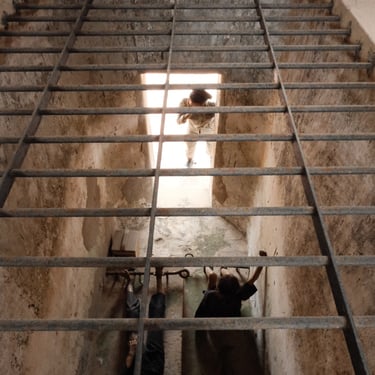
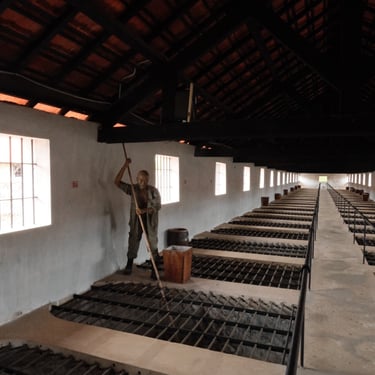
The French built this prison to bury anti-colonial voices where no one would hear them. What remains is the imposing Phu Hai Prison and those original Tiger Cages, hidden away like a shameful secret.
1954 – 1975: The Vietnam War Era
Under the South Vietnamese government with U.S. backing, the complex grew to hold political dissidents and POWs. This is when they built the "American Tiger Cages" at Phu Binh Camp.
1970: The Discovery
A U.S. Congressional delegation stumbled upon the secret French Tiger Cages. When photos of the conditions leaked to Life magazine, the global outcry that followed helped turn the tide of international opinion against the war.
1975 – Present: A Place of Peace
After reunification, they closed what prisoners had called "Hell on Earth." Now it's protected as a National Park and a place of pilgrimage—somewhere people come to remember, and to honor.
The Weight of Watching
Moving through those cells with my camera felt like walking a tightrope between documentation and intrusion. I kept my Fujifilm X-S10 set to Classic Chrome (those muted, Old World tones) because anything brighter felt like a lie. The harsh light, the oppressive heat radiating off the stone walls, the silence that pressed against my chest: I needed the photos to hold that weight, not prettify it.
I found myself taking fewer photos than I'd planned. Sometimes you just need to stand there and let a place speak to you without a viewfinder between you and the truth.
Getting There (Without Breaking the Spell)
You don't need a guide for these sites, but you do need to move through them with intention.
The Ticket: Grab the "All-in-One" pass at the Con Dao Museum for 40,000 VND (about $1.65 USD). Hours are 7:30 AM – 11:30 AM and 1:30 PM – 4:30 PM. The island observes a midday quiet, and honestly, by then you'll need it.
The Ride: Here's why cycling matters: it's not just transportation. That 10-minute ride from the Museum to the Tiger Cages takes you along the coast, and you need that ocean breeze between the darkness. You need the space to breathe, to let your mind settle before the next wave hits. From the back of a taxi, you'd miss that crucial decompression, that moment to remember you're still in the world of the living.
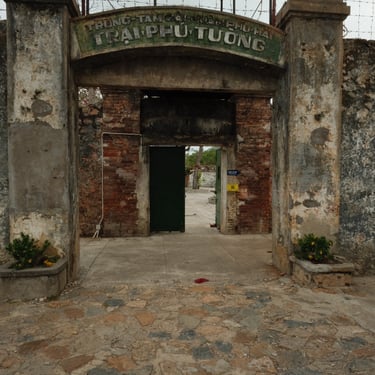
Key Stops: Start at Phu Hai Prison, then make your way to the French Tiger Cages at Phu Tuong, and finally the American Tiger Cages at Phu Binh. Each one will take something from you. The ride gives a little bit back.
The Midnight Pilgrimage
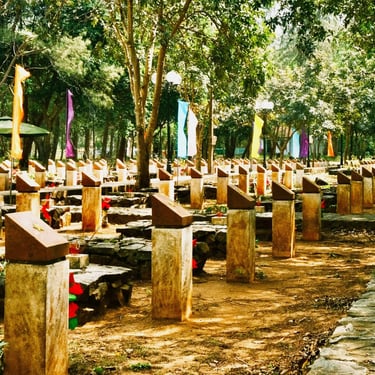
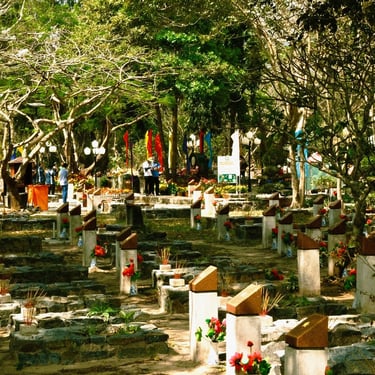
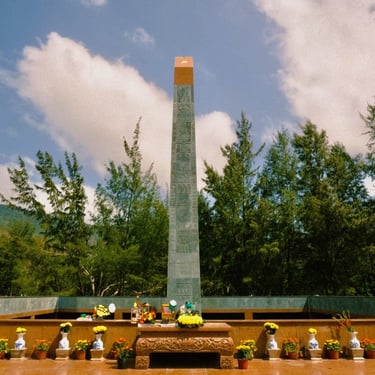
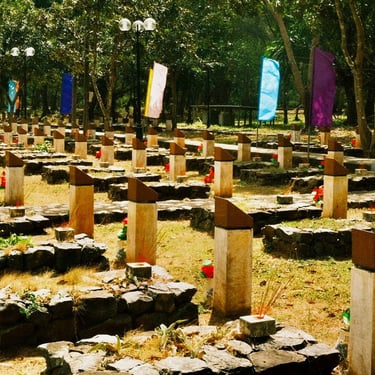
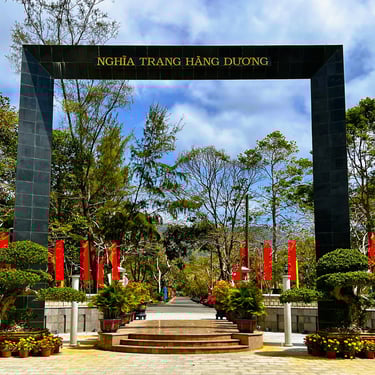
Hang Duong Cemetery is where the island's spirit lives and breathes.
I went twice. The first time, in the afternoon, I documented the sun-baked rows of graves, the way the heat shimmers off the white headstones. Clinical. Careful. Safe.
But midnight—midnight was different.
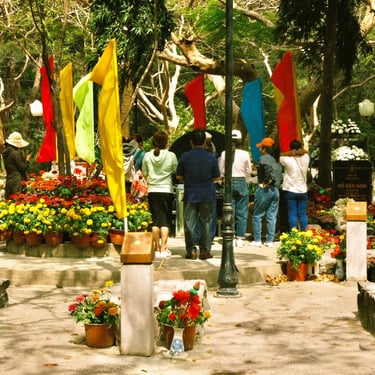
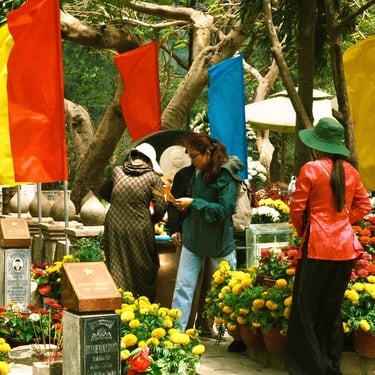
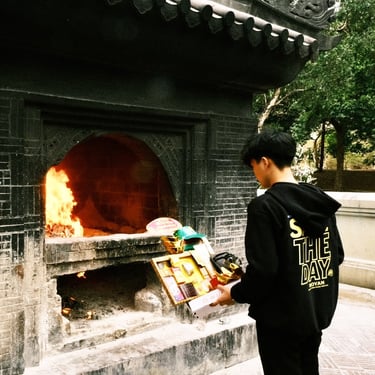
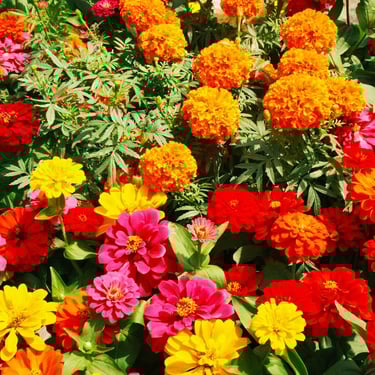
The cemetery transforms into a sea of flickering incense and white flowers. Locals come to pray, to remember, to leave offerings for Vo Thi Sau and the others who rest there. I watched families kneel in prayer, their faces lit by candlelight, and I knew my camera had no place in that moment.
I'm a guest here. A tourist. Some memories are meant to live in your chest, not on an SD card. So I left the Fuji in my bag and just stood there, breathing in the incense smoke, listening to whispered prayers in a language I'm still learning. That's the memory I carried away—not pixels, but presence.
The Beautiful Contradiction
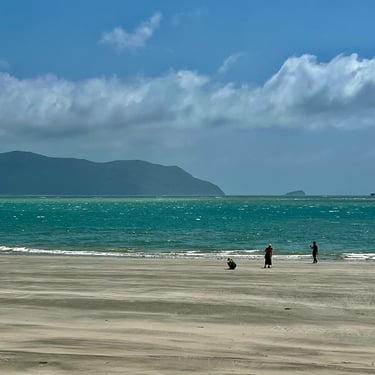
Here's what messes with your head about Con Dao: you can walk out of a prison cell where unspeakable things happened, cycle for five minutes, and find yourself standing on a beach so beautiful it almost hurts to look at.
At first, that jarring contrast felt wrong. Disrespectful, even. How can paradise and hell exist this close together?
But maybe that's exactly the point.
Vietnam didn't just survive its history: it transformed it. The country took all that darkness and said, "Watch this." They turned the island into a place where you can honor the past without living in it, where the turquoise water lapping at your feet reminds you that life insists on beauty, even in the shadow of the cages.
Visiting Con Dao isn't about wallowing in old wounds. It's about standing in awe of a people who walked through fire and came out the other side still willing—still wanting—to welcome the world with open arms.
That's not soppy sentimentality. That's something tougher and more beautiful than I have words for.
Recon Quick-Notes
Do I need a guide? Most sites have plaques in Vietnamese and English. If you want the deep human stories, the Museum can arrange guides, but exploring solo at your own pace (as I did) allows for much more reflection.
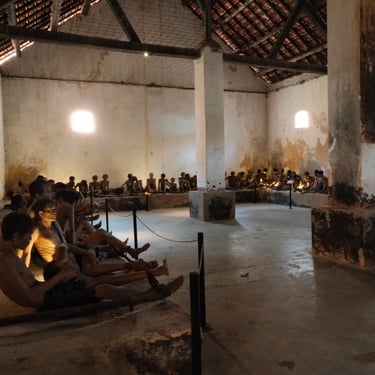
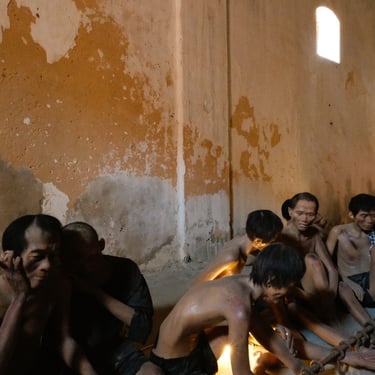
Is it okay for kids? It’s heavy. Use your judgment. The outdoor areas are peaceful, but the recreations inside the cells are very graphic and can be upsetting for younger children.
Can I buy tickets at the prison gates? No. You must go to the Museum first. They don’t always have ticket staff at the smaller camp entrances, so don't waste a bike ride—hit the Museum first.
Pier 914
The Bridge of 914 Lives
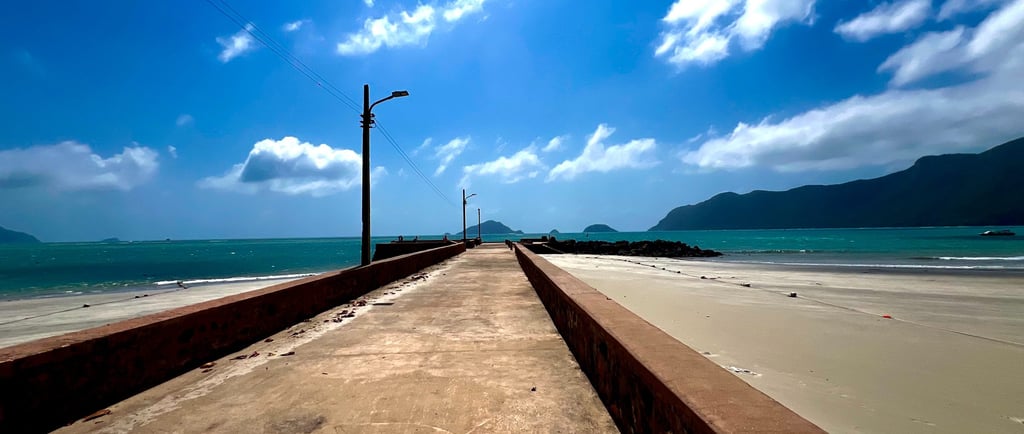
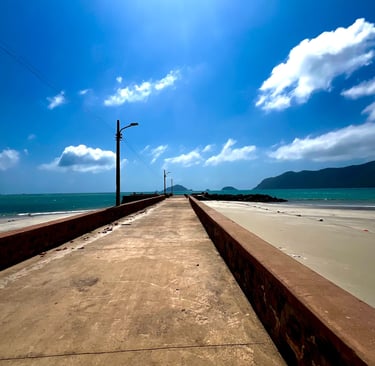
In Con Dao, the stones have memories. Nowhere is this more palpable than at Pier 914.
The name itself is a grim tally—a reminder of the estimated 914 prisoners who died during its construction, many crushed by the massive boulders they were forced to haul from the slopes of nearby Nui Chua. Every stone in this pier was laid with the blood and labor of those held captive, creating a literal foundation of sacrifice.
Yet, this is also where the "Spirit" of the island found its wings. Despite its tragic origins, the pier became the gateway to liberation. In 1945, and again in 1975, thousands of political prisoners stood upon these very stones—not as captives, but as free men and women boarding ships back to the mainland.
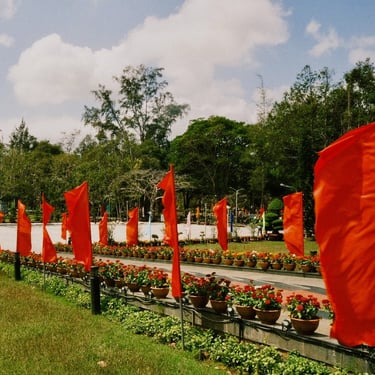
Today, the contrast is striking. The pier has transformed into a place of quiet peace where locals cast fishing lines into the sunrise. But it remains a hallowed "National Relic," where the scent of incense and the bright colors of fresh flowers ensure that while the stone remains, the souls of those who fell are never forgotten.
But the story of the stone doesn't end at the water's edge. To understand the full weight of the silence here, one must follow the path back from the sea and toward the walls that held the spirit captive for so long.
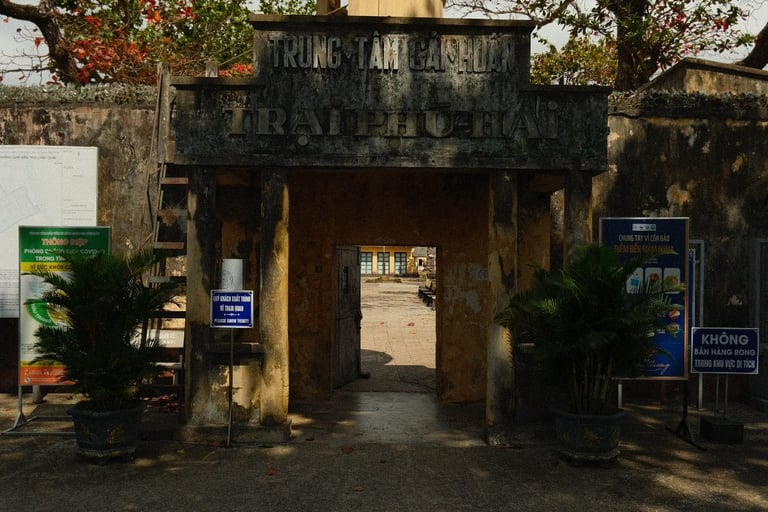
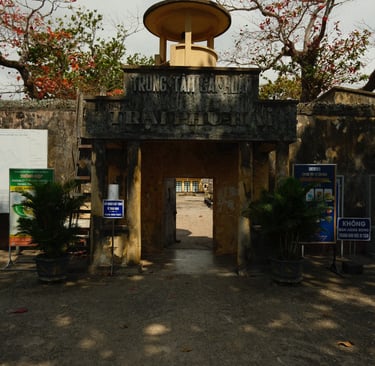
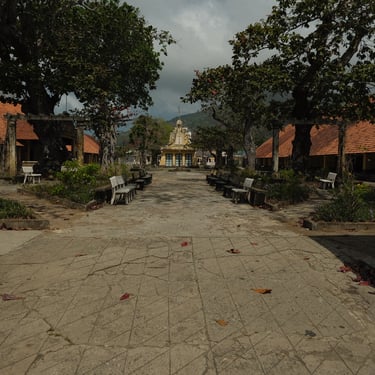
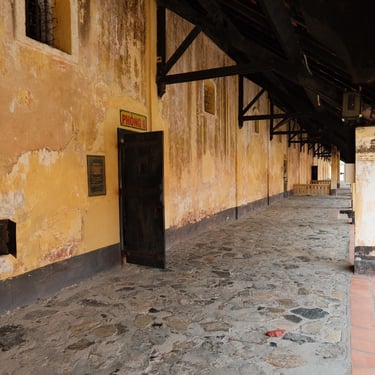
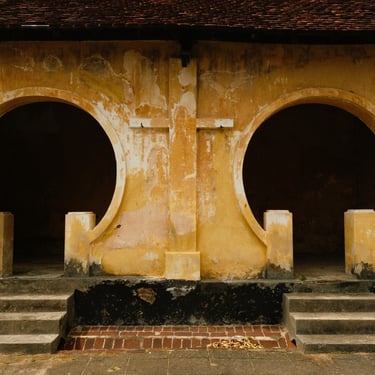
The threshold of Phu Hai: A gateway of weathered stone where the island’s 'haunting beauty' first met the harsh reality of its inhabitants.
Where to stay on Con Dao
Con Dao isn’t about big hotel strips or endless choices. Most accommodation sits around Con Son town or along the coast, where everything feels close to the sea and never far from quiet beaches. Options range from simple guesthouses to a handful of higher-end resorts, and availability can shift fast, especially around weekends and holidays.
© 2025. All rights reserved.
hello@gonomadnest.com