
Before You Book That One Way Ticket, and moving to Vietnam — Read This First
The Facebook expat groups are full of people selling secondhand tech and complaining about alcohol limits. Here is what the relocation content never tells you before moving to Vietnam and you boarding the plane.
EXPAT LIFE
Hein Lombard
5/12/20265 min read
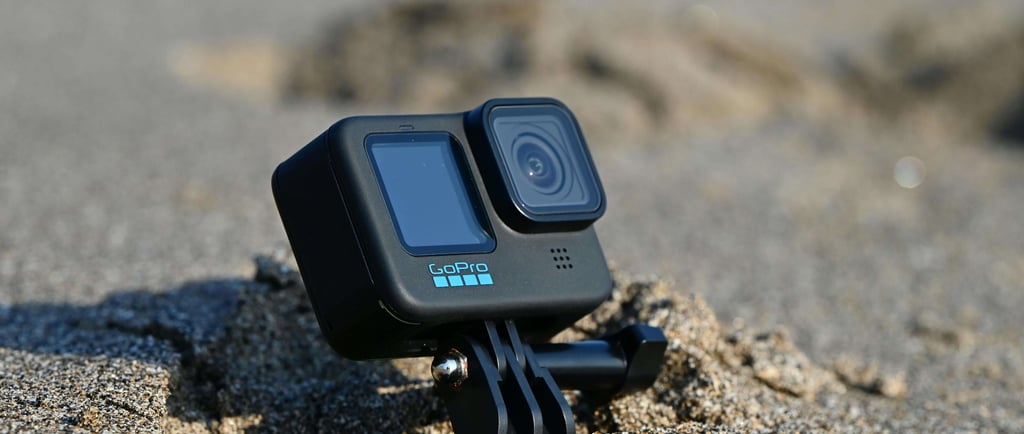
Scroll through any major Vietnam expat group on Facebook and you will find them. Barely used laptops. GoPros with one or two trips on them. Ring lights still in the box. Bluetooth speakers, smartwatches, portable hard drives. The listings are polite and the prices are reasonable and if you read them in isolation they look like someone streamlining their life.
They are not streamlining their life. They are month four of a plan that did not survive contact with reality.
This post is for the people who are currently making that plan.
Something shifted in the expat landscape of Southeast Asia in the last year or two. Thailand, long the default destination for the location-independent and the lifestyle-curious, began tightening its visa system in a meaningful way. The back-to-back border run culture that sustained a particular kind of expat for years started to close down. People who had been living month to month on visa exemptions, crossing into Cambodia or Laos every ninety days and coming straight back, suddenly found that option narrowing.
A significant number of them landed in Vietnam.
They arrived with habits formed somewhere else, expectations shaped by a different country's tolerances, and in many cases a budget that worked in Chiang Mai but does not quite work in Da Nang once you factor in the actual cost of living the way they want to live. What they did not arrive with, in enough cases to be noticeable, was any particular preparation for what Vietnam actually is.
Vietnam is not Thailand. It is not a carbon copy of anywhere else in Southeast Asia. It has its own history, its own social contract, its own laws, and its own expectations of the people who choose to live within its borders. Treating it as a substitute destination rather than a specific place with a specific character is where the problems begin.
A few weeks ago I came across a comment thread that illustrated this perfectly. A foreigner, frustrated by Vietnam's zero tolerance alcohol limit for drivers, decided to make his case publicly. He argued that a BAC of 0.075 should not be considered drunk, that the US limit of 0.08 proved the Vietnamese standard was irrational, and that zero tolerance actually encouraged more drinking rather than less.
When that argument did not land the way he hoped, he pivoted. Vietnam lacked rule of law. Corruption was endemic. Brazil, where he was from, was actually more transparent about these things. Foreigners were being held to a standard that locals did not meet themselves.
It is a familiar pattern. The law is only worth respecting when it aligns with what you were already planning to do. When it inconveniences you, the entire legal and social framework of the country becomes evidence of its backwardness.
What he did not address, and what I eventually pointed out, is simple. The coconut gets sold whether he buys it or someone else does. Vietnam is not waiting for his approval to function. He is there by choice, living a life that is presumably better than the alternative he left behind, and the people around him are not obligated to adjust their legal standards to match his comfort level. Nobody is forcing him to stay.
Crickets followed. They usually do.
The stakes of this kind of behaviour changed recently in ways that matter for every foreigner living in Vietnam, including the ones who have been here for years and who have never given anyone a reason to complain.
A video circulated of a Russian national involved in a physical altercation with a Vietnamese car owner in Da Nang. The specifics were debated but the reaction was not. Vietnamese social media found a collective voice on the subject of foreign behaviour, and it has not gone quiet since. Videos of foreigners drunk in public, riding motorbikes without helmets, ignoring traffic laws, behaving in ways that would embarrass them at home, are now being shared and commented on with a frequency and a sharpness that did not exist two years ago.
This is not an overreaction. It is a community responding to a pattern it has been watching build.
The problem is that patterns do not discriminate. When Vietnamese social media starts paying attention to how foreigners behave, it is not distinguishing between the person who has lived respectfully in Sóc Trăng for eight years and the person who arrived from Thailand four months ago and is currently arguing about alcohol limits on Facebook. We are all foreigners. The behaviour of the worst among us becomes the data point that shapes how all of us are perceived.
A long-term expat on a Nha Trang Facebook page wrote a measured, respectful post recently reminding the community to observe local laws and customs. The response from some of the newer arrivals was immediate and predictable. Complaints about corruption. Accusations of hypocrisy. Lectures about rule of law from people who have not been in the country long enough to know what they are talking about.
The long-term expat community watched that exchange and said very little publicly. Privately the conversation is different. There is a frustration that is difficult to articulate without sounding bitter, which nobody wants to be. But the frustration is real. Goodwill that took years to build is being spent by people who did not earn it and are not aware it exists.
There is another dimension to this that does not get discussed honestly enough.
Vietnam, particularly outside the major cities, is a genuinely monocultural society. The Mekong Delta, the central highlands, the smaller coastal towns, these are not cosmopolitan environments. People who look visibly different from the local population draw attention. Children stare. Countryside kids sometimes run. Adults look twice.
This is not aggression. It is curiosity in a society that has not had generations of exposure to the kind of diversity that western cities take for granted. Understanding that distinction before you arrive is essential. Arriving with the expectation that your presence will be received the way it might be in London or New York, and then reaching for the language of racism when the reality does not match that expectation, is a category error that helps nobody.
Vietnam does not owe anyone a cosmopolitan welcome. It is what it is, and what it is happens to be extraordinary once you approach it on its own terms rather than through the lens of what you expected it to be.
I have written elsewhere about the Plan B conversation, the one that never appears in the relocation content because it is not aspirational enough to perform well online. The emergency surgery that a grand in your bank account cannot cover. The visa run that costs money every three months whether you budgeted for it or not. The western lifestyle tax that turns a thousand dollar promise into a fifteen hundred dollar reality before you have noticed it happening.
The electronics sales are where that conversation ends up when the Plan B conversation never happened.
Vietnam is genuinely worth choosing. I have chosen it every day for eight years and I have not regretted it. The safety, the people, the cost of living when you approach it honestly, the pace of life in a provincial town that has not been optimised for tourism, these are real and they are valuable and they are available to anyone who comes here with the right preparation and the right attitude.
The right attitude is not complicated. You are a guest. The country was here before you arrived and will be here after you leave. The laws apply to you. The social norms are worth learning. The people around you are not a backdrop for your lifestyle content. They are the reason the place feels the way it does, and they have every right to expect that you will treat their home with the same respect you would want shown to yours.
Come because you genuinely want to be here. Save enough to cover the things that go wrong. Learn what the country actually is before you decide whether it suits you. And if you find yourself in month four selling your GoPro in a Facebook group, be honest with yourself about what that means before you start blaming the alcohol limit.
The coconut was always going to get sold. The question is whether you came here to be part of something real, or just to get a better exchange rate on the life you were already living somewhere else.
© 2025. All rights reserved.
hello@gonomadnest.com