
Crash Landing in Vietnam
Discover essential Vietnam travel tips, including advice on visas, money management, and choosing the right city. Learn from my experiences crossing the border and navigating life in Vietnam for a smoother journey.
TRAVEL
Hein Lombard
1/1/20265 min read
What I Learned the Hard Way About Moving To Vietnam.
Here’s how I actually arrived in Vietnam, and yeah, it wasn’t pretty.
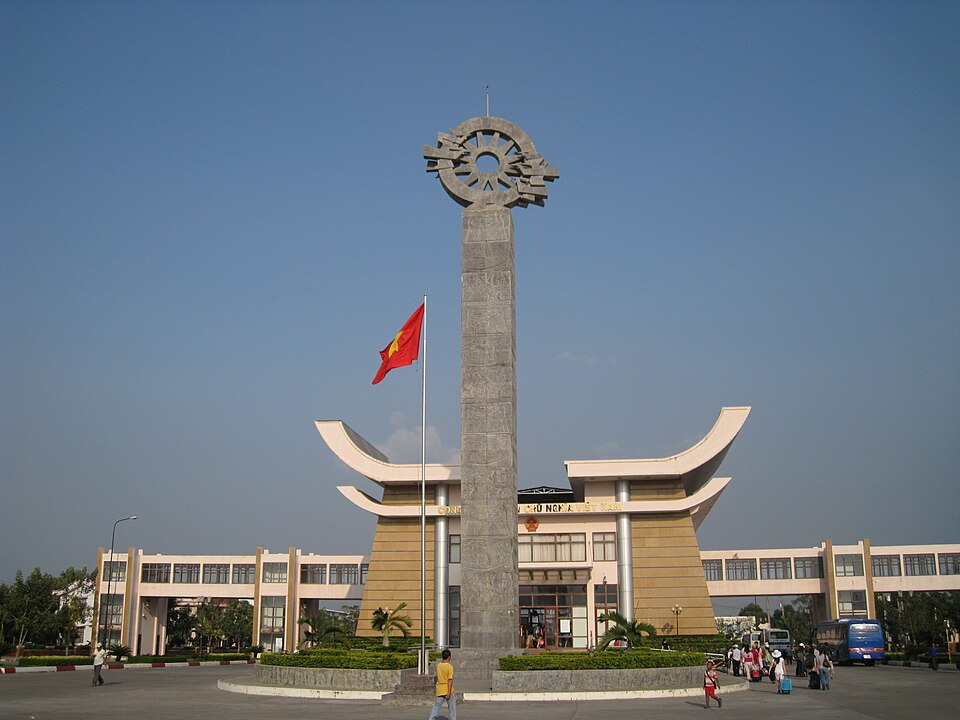
In April 2018 I crossed the border at Mộc Bài from Cambodia at a time when everything in my life felt like it was coming apart. I had just been hit with a massive fine for accidentally overstaying my visa, my debit card had been stolen, and I was surviving off a Western Union transfer while trying to keep it together. I remember standing at the border crossing with sweat running down my back while the official flipped slowly through my passport. Every stamp felt like it took forever. Every glance up felt like judgment. It wasn’t the smooth, cinematic arrival you see in travel blogs.
Those first few months were a blur. I was doing agency work in Saigon, getting sent back and forth to Đồng Nai, and then eventually shipped off to Tây Ninh. I knew almost immediately that it wasn’t my place, but when you are broke and far from home, you do not always get to leave situations you hate. You stay because you need the paycheck. You smile through things that make you miserable because the alternative is a flight home you cannot afford.
Eventually I moved back to Saigon, caught my breath, and took a bus down to Sóc Trăng. That was the first time something finally clicked. Seven years later, I am still here. Looking back, that messy arrival taught me more than any guidebook ever could. This is not advice from someone who arrived with a perfect plan and spare cash. This is what it actually looks like when you show up broke, overwhelmed, and figuring things out one mistake at a time. If you are thinking about coming to Vietnam, here is what I wish someone had told me before I crossed that border.
The Visa Thing: Do Not Mess Around With This
In Cambodia I learned a very expensive lesson: “I didn’t know” does not get you out of anything. I overstayed my visa because I misread the dates and the fine almost wiped me out completely. By the time I reached the Vietnam border, I was terrified that one wrong stamp would send me straight back. Standing there, I realised something simple. Hoping things work out is not a plan. Having your paperwork sorted is. And when you are already running on empty, one administrative mistake can unravel everything. Lesson? ALLWAYS have a plan B!
Here is what you need to know in 2026. Rules can change, so always double check before you travel.
Most nationalities can apply for a 90-day e-visa, which usually costs around 25 USD for single entry or 50 USD for multiple entry. There are many fake visa websites that look official and charge extra, so only use the official government portal at evisa.xuatnhapcanh.gov.vn. I still print everything: my visa copy, spare passport photos, and entry and exit documents. When systems fail at a small border checkpoint, paper saves you. That folded piece of paper in your bag can be the difference between moving forward and spending the night in limbo.
Money Stuff: The Day My Card Disappeared
When my debit card was stolen from my luggage in Cambodia, I felt a very specific kind of panic. Not dramatic panic, but quiet panic, the kind where you sit on your bed doing mental calculations and realise you have maybe three days before things turn bad. Vietnam still runs mostly on cash. No card means no money. I remember sitting in a tiny Western Union office in District 3, refreshing my email every few seconds, hoping the transfer would arrive. The woman behind the counter kept looking at me. I must have looked desperate, because I was.
Here is what I would tell you now. Bring two bank cards and keep one with you while hiding the other deep in your luggage. Wise and Revolut are useful because fees are lower and you can hold multiple currencies. Cash still matters because you cannot pay a street vendor in the Mekong Delta with your phone. ATM fees are real, usually around 30,000 to 50,000 VND per withdrawal, although VPBank and TPBank often do not charge, so look for those first. Backups are not optional here. They are survival. When you are far from home and things go wrong, you need options, not hope.
Finding Your Place: Not Just Any Job
Those first months felt like I was being moved around like cargo. The agency was based in Saigon, but they kept sending me to Đồng Nai, and when I finally pushed back, they sent me to Tây Ninh instead. I hated it there. It felt industrial and disconnected, completely different from what I was looking for. The harder truth is that I stayed longer than I should have because I was scared. I was scared of losing income and scared of starting over again.
I would wake up in Tây Ninh with a heavy feeling in my chest, just a quiet certainty that I was in the wrong place. Eventually I stopped ignoring it. I moved back to Saigon, reset everything, and later accepted a job in Sóc Trăng, which in so many was was the best thing that could have happened. That is when things finally began to feel right. Vietnam is not one single experience. Every province feels like a different world.
Do not settle immediately. Saigon, Hanoi, Đồng Nai, and the Mekong Delta are all completely different, so give yourself time to explore before committing. Be careful with agencies, because if they refuse to tell you exactly where you will work, that is a red flag. Test a place first, stay in a hotel or Airbnb, walk around, and see how it feels before signing a long lease. If a place does not feel right, try another. Leaving is hard, but staying in the wrong place is worse.
Getting Around: It Feels Like Chaos, But It Works
Those months of commuting between Saigon, Đồng Nai, and Tây Ninh were exhausting. Long buses, early mornings, and endless roads. The first time I saw Saigon traffic, I genuinely thought I was going to die. You stand on a corner watching a constant river of motorbikes. There is no gap. There is never a gap. You step into the flow and trust that it moves around you.
Transport here is not just movement. It is an experience: sometimes terrifying, often beautiful, always intense. By 2026, it is much easier to navigate. Download Grab immediately to avoid haggling or price confusion and scammers. Try Xanh SM taxis, which are electric, clean, quiet, and usually cheaper. If you ride a motorbike, know that police are stricter now and you need a valid 1968 Convention IDP. Without it, your travel insurance may not cover you. Respect the rules. Your future self will be grateful.
Why I’m Still Here
My arrival was a mess. I was broke, stressed, and stuck in places that did not feel right. I moved because I had to, not because I had some inspirational life plan. Once I sorted out the paperwork, stabilised my money situation, and stopped forcing myself to stay in the wrong places, I finally found the version of Vietnam I had been looking for.
It was not in the industrial zones of Đồng Nai and it was not in the heat of Tây Ninh. It was on a quiet bus to Sóc Trăng, watching Khmer pagodas rise from the fields and realising, for the first time since I crossed that border, that I had finally arrived.
What I Would Do Differently
Apply for the visa myself using the official government site.
Travel with two bank cards and emergency cash.
Avoid agencies that refuse to share the exact work location.
Visit different cities before choosing one.
Give myself time to settle instead of rushing.
Leave the wrong places sooner and stop waiting for permission.
Moc Bai border. Vietnam
© 2025. All rights reserved.
hello@gonomadnest.com